Why Early Evaluation Matters for Wisdom Teeth Removal in Oxnard CA
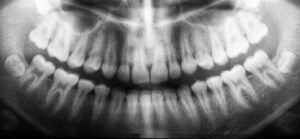
Most people do not spend much time thinking about their wisdom teeth until something starts to hurt. That is usually how the story begins. A dull ache behind the molars, pressure in the jaw, gums that seem irritated for no obvious reason, or a sudden infection that appears right before finals, a vacation, or a busy work stretch. By then, the decision-making window feels narrow. The question is no longer whether to evaluate the teeth, but how quickly the problem can be handled.
That is exactly why early evaluation matters.
When a dentist or oral surgeon assesses wisdom teeth before symptoms become urgent, patients gain options. They get time to understand whether the teeth are erupting normally, whether there is enough room in the jaw, and whether the roots are developing in a way that makes future treatment easier or more complicated. In a place like Oxnard, where families often balance school schedules, work demands, and healthcare planning all at once, timing matters more than people realize. Early evaluation for Wisdom Teeth Removal Oxnard CA is not about pushing everyone into surgery. It is about making a sound decision before discomfort, infection, or crowding forces the issue.
Why wisdom teeth create problems so often
Wisdom teeth are the last permanent teeth to develop, usually appearing in the mid-teen years through the early twenties. By the time they are ready to come in, the rest of the mouth has usually claimed the available space. Some people are lucky and have enough room for these third molars to erupt normally. Many do not.
In practice, wisdom teeth tend to fall into a few broad patterns. They may stay trapped under the gums, partly erupt through the tissue, or grow at an angle toward the neighboring molar. Even when they are not causing obvious pain, their position can create hidden risks. Food and bacteria can collect around a partially erupted tooth. A tooth angled toward the second molar can damage the healthy tooth in front of it. Pressure from impacted teeth may contribute to gum inflammation and hard-to-clean pockets in the back of the mouth.
One of the most misleading parts of wisdom tooth problems is that they can stay quiet for a long time. A teenager may have no symptoms at all while X-rays already show a difficult eruption path. That gap between what the patient feels and what is happening below the surface is where early evaluation has the most value.
The difference between evaluation and treatment
Patients sometimes hear “you should have your wisdom teeth evaluated” and assume that surgery is inevitable. It is not. Evaluation is simply the process of gathering enough information to make a responsible recommendation.
A thorough visit typically includes an exam, imaging, and a discussion of symptoms, oral hygiene, bite, and long-term risks. In many offices, panoramic X-rays give a broad view of how the wisdom teeth sit in relation to the jawbone, sinus area, and nearby nerves. If a tooth appears especially close to important anatomy, a three-dimensional scan may be helpful. That added detail can change the treatment plan, the timing, or the referral pathway.
Sometimes the result of that evaluation is active monitoring. If the wisdom teeth are developing in a favorable position and the patient is keeping the area clean, observation may be appropriate. Other times, the findings suggest that waiting is likely to create a tougher surgery later. The important point is that the decision is based on evidence, not guesswork.
Age matters more than many families expect
There is a practical reason oral surgeons often prefer to assess wisdom teeth during the teenage years or early adulthood. At that stage, the roots may still be forming, and the surrounding bone is often more forgiving. Healing tends to be smoother for younger patients, and the surgical removal can be less complex than it would be several years later.
That does not mean adults cannot have wisdom teeth removed successfully. They can, and many do. But complexity often increases with age. Roots may become longer and more curved. Bone may be denser. Chronic inflammation may already be present around a partially erupted tooth. In some cases, adjacent teeth have already been affected. The procedure may still be straightforward, but the odds of a more involved recovery can rise as the years pass.
Parents often ask when an evaluation should happen. A common window is the mid-teen years, often around ages 16 to 18, though there is no one-size-fits-all rule. Growth patterns vary. Tooth development varies. Some younger patients benefit from earlier baseline imaging, especially if orthodontic treatment is part of the picture.
Orthodontics and wisdom teeth are part of the same conversation
In many cases, the first person to spot a possible issue is not the oral surgeon but the general dentist or orthodontist. That makes sense. Teenagers who have had braces or aligners are already under regular observation. If the bite has been carefully corrected, no one wants erupting third molars to undermine hard-won results or create new hygiene problems in the back of the mouth.
It is worth being precise here. Wisdom teeth do not single-handedly “cause” all lower front tooth crowding, a belief that has circulated for years. Teeth can shift over time for several reasons, including natural aging and bite forces. Still, poorly positioned wisdom teeth can contribute to pressure and can certainly create cleaning difficulties and gum inflammation that complicate the situation. Early evaluation helps separate myth from measurable risk.
An orthodontist may notice limited posterior space or an eruption angle that raises concern. That does not automatically mean immediate removal, but it does mean the patient benefits from a coordinated opinion. When providers communicate early, families can plan around school breaks or less disruptive times of year rather than waiting for an emergency.
Silent damage is one of the strongest arguments for early imaging
A painful infected wisdom tooth is easy to understand. A quiet one that is harming the tooth next to it is much easier to miss.
This happens more often than patients expect. A lower wisdom tooth that leans into the second molar can create an area that traps plaque and bacteria. Over time, that can lead to decay on the back surface of the second molar, the very tooth the patient depends on for chewing long term. It can also contribute to bone loss in that area. By the time the patient feels discomfort, the neighboring molar may already need treatment.
That is one reason routine examinations matter. A radiograph can reveal a concerning angle before the damage becomes extensive. When caught early, the patient may avoid a more expensive and invasive chain of events that includes extraction of the wisdom tooth plus fillings, gum treatment, or even root canal therapy on the second molar.
Infection rarely arrives at a convenient time
Partially erupted wisdom teeth are notorious for trapping debris under the gum flap that covers part of the crown. This can lead to pericoronitis, an inflammation or infection around the erupting tooth. Anyone who has experienced it knows how quickly it can escalate. The area becomes swollen and tender. Chewing hurts. Opening the mouth may feel difficult. Sometimes there is a bad taste or odor, and in more significant cases the swelling can extend into the cheek or jaw.
The frustrating part is that these episodes often recur. A patient may receive antibiotics, improve for a while, and then have another flare-up months later. Each episode disrupts work, school, sports, travel, and sleep. Early evaluation gives patients a chance to address the underlying https://www.brownbook.net/business/40954834/oxnard-dentistry anatomy before repeated infections become a pattern.
This is especially relevant in college-age patients who are leaving home, changing insurance plans, or trying to manage health issues between semesters. Planning Wisdom Teeth Removal Oxnard CA before a known risk turns into repeated urgent visits is often the calmer, less expensive route.
What early evaluation can uncover
Not every potential problem is visible in the mirror. A timely exam can reveal issues such as:
- impacted teeth trapped in bone or gum tissue
- partial eruption with a high risk of recurrent infection
- contact with the second molar that may threaten decay or bone loss
- root development patterns that affect surgical difficulty
- proximity to the sinus or nerve that may influence treatment planning
That short list captures why “it doesn’t hurt right now” is not always a reliable reason to wait.
The Oxnard factor: local lifestyle and practical timing
Healthcare decisions do not happen in a vacuum. In Oxnard, as in many coastal California communities, schedules are layered. Families coordinate school, commuting, athletics, caregiving, and seasonal work. For many patients, the challenge is not deciding whether wisdom teeth deserve attention. It is finding the right time.
Early evaluation helps because it turns a surprise problem into a scheduled plan. A high school junior can be assessed before senior-year deadlines pile up. A college student home for break can have imaging done and discuss the best window for treatment. An adult with a demanding job can map out recovery around a lighter work period rather than scrambling after a painful flare-up.
That shift, from reactive care to planned care, is a major quality-of-life advantage. It reduces stress, lowers the chance of missed obligations, and often allows the patient to compare options without urgency pressing from every side.
Why younger patients often recover more smoothly
Recovery varies from person to person, and no ethical clinician should promise an identical experience for everyone. Still, patterns are clear enough to inform timing decisions.
Younger patients often have less dense bone and incompletely formed roots, which can make the removal technically easier. Tissue healing tends to be faster. Swelling and soreness are still normal after surgery, but they may be less prolonged than in patients who wait until their late twenties or thirties. The risk profile can also shift with age, particularly when teeth become more deeply anchored or are located very close to vital structures.
That is not an argument for rushing every teenager into surgery. It is an argument for understanding the anatomy early enough to act when the balance of risk and benefit is most favorable.
Waiting can be reasonable, but it should be informed waiting
There are legitimate situations where monitoring is the best approach. A wisdom tooth may be fully erupted, functional, easy to clean, and not causing any damage. Another may still be developing in a way that does not yet justify intervention. An older adult with deeply embedded asymptomatic wisdom teeth and no evidence of disease may be advised to leave them undisturbed while continuing periodic observation.
The key phrase is informed waiting. That means the decision follows a real clinical review, not wishful thinking. It also means the patient understands what warning signs matter and when follow-up imaging is appropriate. A tooth that looked stable at 17 can look very different at 21. Oral conditions change. Monitoring has value only when it is actually done.
Questions patients should ask at an evaluation
A good consultation should feel specific, not scripted. Patients and parents should leave with a clear sense of what the images show and why the recommendation makes sense for that individual case. Helpful questions include:
- Are the wisdom teeth likely to erupt normally or stay impacted?
- Is there any sign they are affecting the second molars or surrounding bone?
- Would removal be easier now than later, and why?
- If we wait, what changes should prompt another exam?
- What kind of recovery should we realistically expect?
These questions often lead to a better conversation than simply asking, “Do they need to come out?”
The role of imaging and surgical planning
Modern oral surgery planning is much more precise than many patients expect. A panoramic image offers a broad initial map, showing the position of the wisdom teeth relative to nearby structures. In straightforward cases, that may be enough. In more complex cases, especially lower teeth near the mandibular nerve or upper teeth close to the sinus floor, three-dimensional imaging can provide added confidence.
That precision matters because surgical approach is not one-size-fits-all. A tooth may need simple extraction, soft tissue exposure, sectioning into smaller pieces, or a technique designed to reduce stress on nearby structures. The more the surgeon knows in advance, the better the plan.
Patients benefit from this even if they ultimately choose to wait. Knowing that a tooth is close to a nerve, for example, may influence the timing of reevaluation. Knowing that roots are only partially formed may support earlier removal while complexity is lower.
A brief word about risks, because balanced advice matters
Any surgical procedure carries risks, and wisdom tooth removal is no exception. Temporary swelling, soreness, and limited jaw opening are common parts of recovery. Dry socket can occur, especially in lower extractions. There can be infection, delayed healing, or temporary numbness in certain cases. More significant complications are less common, but they are part of responsible informed consent.
This is another reason early evaluation matters. It allows the provider to discuss risk in the context of anatomy and timing, not in vague generalities. Sometimes removing a tooth now reduces the chance of a difficult procedure later. In other cases, conservative monitoring may truly be the lower-risk path. Good care depends on matching the recommendation to the patient, not forcing every patient into the same answer.
What families often notice after acting early
When treatment is planned rather than rushed, the entire process tends to go better. Appointments can be scheduled around recovery needs. Preoperative instructions are easier to follow when the patient is not distracted by active pain. Transportation, time off, meals, and aftercare can be arranged calmly. Patients often report that the emotional burden was worse than the actual recovery, especially when they had time to prepare.
That preparation matters for teenagers in particular. A young patient who understands what to expect usually handles the experience better than one who arrives after a sleepless night with swelling and anxiety. The same is true for adults who juggle work or caregiving. Advance planning turns a disruptive health event into a manageable one.
The real value of not waiting for pain
Pain is a poor screening tool for wisdom teeth. Some of the most problematic teeth are quiet until they suddenly are not. Others cause intermittent minor symptoms that patients dismiss for years, even while the neighboring tooth is being put at risk. By the time pain appears, choices can narrow and treatment can become more urgent.
Early evaluation creates room for judgment. It lets patients know whether the wisdom teeth are likely to behave, whether they pose a predictable threat, or whether watchful follow-up is enough. For families considering Wisdom Teeth Removal Oxnard CA, that kind of clarity is valuable in itself. It replaces uncertainty with a plan, and in oral health, a plan made early is often the one that protects comfort, timing, and long-term outcomes best.
The smartest approach is usually not dramatic. It is simply timely. Have the teeth evaluated before they demand attention. That single step often makes the difference between an orderly decision and an avoidable problem.
Oxnard Dentistry
1730 E Gonzales Rd
Oxnard, CA 93036, United States
Phone: +1 805-307-8731
FAQ About Wisdom Teeth Removal Oxnard CA
How much does it cost to get wisdom teeth removed in California?
Fees depend on tooth position, the number of extractions, imaging and anesthesia. Oxnard Dentistry can provide an individual estimate after examining your teeth. Ask for an itemized plan and confirm insurance benefits before scheduling.
Will insurance cover wisdom teeth removal?
Coverage and out-of-pocket costs vary by policy and the treatment required. Ask the dental office and your insurer to verify benefits, annual limits and any authorization requirements. A benefit estimate does not guarantee payment.
Is 30 too old to have wisdom teeth removed?
Age alone does not determine whether extraction is appropriate. A dentist evaluates symptoms, tooth position, oral health and medical history. Healthy, functional wisdom teeth may be monitored; teeth causing disease or other problems may need treatment.